
17 Sep What’s Actually Inside a SurviveX First Aid Kit, and When Would You Use It?
Most of us own some kind of first aid kit. The problem is that we rarely know what is actually inside it.
You buy one, put it in a cupboard or the boot of the car, and forget about it until someone cuts a finger or twists an ankle. Then you open it and discover twenty tiny adhesive bandages, a pair of questionable scissors and three things you have no idea how to use.
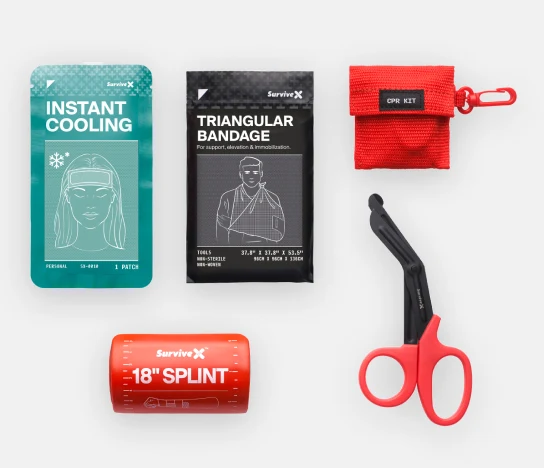
SurviveX takes a more serious approach to first aid kits. Rather than simply increasing the item count with lots of duplicates, its larger kits combine everyday first aid supplies with equipment intended for wounds, burns and more demanding emergencies.
But what does that actually mean when you need to use one?
The Things You’ll Probably Reach for Most Often
Not every accident is dramatic. In reality, most people will open a first aid kit because of a scraped knee, kitchen cut, blister, minor burn or sprain.
That is why the ordinary supplies still matter.
A good kit needs gauze, dressings, bandages and basic wound care products that you can grab quickly. These are the things you are most likely to use after someone falls while hiking, catches their hand on something sharp in the garage or comes home with a badly grazed knee.
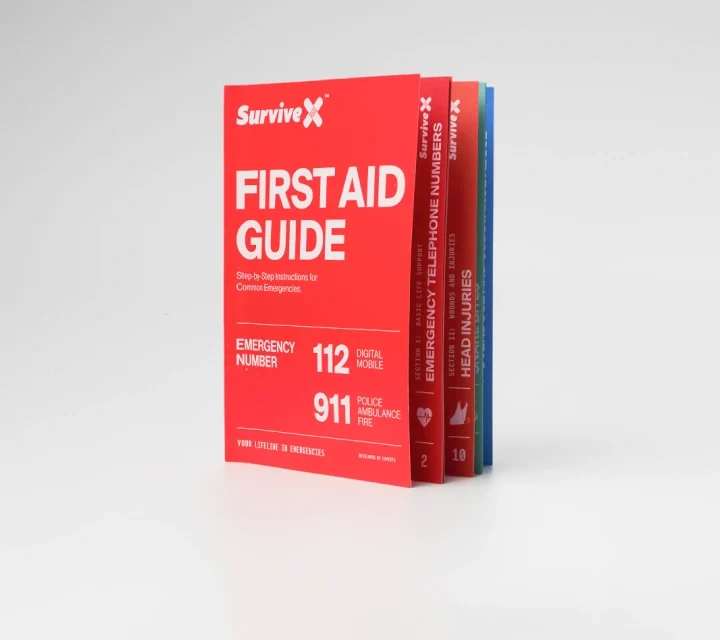
What stands out about SurviveX is the way its kits are organized. The company uses labeled compartments so you are not digging through one large pile of medical supplies when somebody is waiting for help.
That sounds like a small detail until you actually need something quickly.
What About More Serious Cuts?
This is where the contents become more interesting.
A small adhesive bandage is fine for a nick on your finger. A deeper cut or heavier bleeding is a completely different situation.
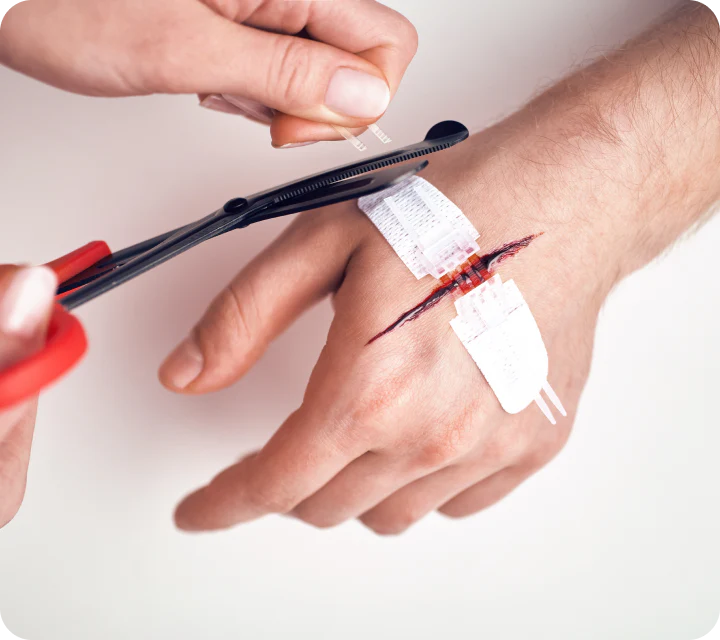
SurviveX offers wound care products such as hemostatic gauze, Israeli emergency bandages, wound closure strips and Zip Stitch wound closures across its range. Its larger kits also include supplies intended for more substantial injuries.
You may never need some of these items, and hopefully you won’t. But emergency preparedness is partly about having equipment for situations that are unlikely but potentially serious.
Of course, owning advanced supplies is not a substitute for knowing how to use them. It is worth learning basic first aid before an emergency happens rather than trying to figure everything out while somebody is bleeding.
Burns Deserve More Than an Afterthought
Burn care is one area where basic kits can feel surprisingly limited.
Think about how easily burns happen. A hand touches a hot pan, boiling water spills in the kitchen, someone gets too close to a campfire, or an accident happens around a barbecue.
SurviveX includes burn-focused options within its wider first aid range, including hydrogel burn dressings and a dedicated burn care kit. The Large Pro First Aid Kit also adds more advanced wound and burn supplies.
For anyone putting together emergency supplies for a home, campsite or vehicle, burns are worth planning for rather than assuming a general bandage will solve the problem.
Where Would You Actually Keep a Kit Like This?
There is no single correct place.
For a family, keeping a larger medical kit somewhere accessible at home makes sense. If you spend a lot of time driving, having a compact kit in the car means it travels with you. Campers, hikers and people who spend time around water have different requirements again.
That is probably why SurviveX offers several sizes rather than treating one kit as suitable for everyone. Its Small First Aid Kit is designed for one to two people, while the Large Kit is aimed at three to four. The Large Pro expands coverage for larger groups, and there is also an IPX7-rated waterproof kit aimed at boating, kayaking and wet conditions.
The right choice depends less on having the biggest bag and more on where you are likely to use it.
The Part People Often Forget
Buying a first aid kit is only the beginning.
Open it when it arrives. Learn where everything is. Read the instructions for unfamiliar items. If you use something, replace it. Check supplies periodically and pay attention to products with expiration dates.
This is especially important with a more comprehensive kit. Having useful equipment means very little if you cannot find or confidently use it when someone gets hurt.
That is ultimately what makes SurviveX interesting. It is not simply about owning more first aid supplies. The practical value comes from having wound care, burn care and everyday essentials organized in one place, then making sure you actually understand what you have.
Hopefully, most of the kit will spend its life untouched. But when something does go wrong, that is exactly when being prepared starts to make sense.

Sorry, the comment form is closed at this time.